Vinyl Flooring South Africa
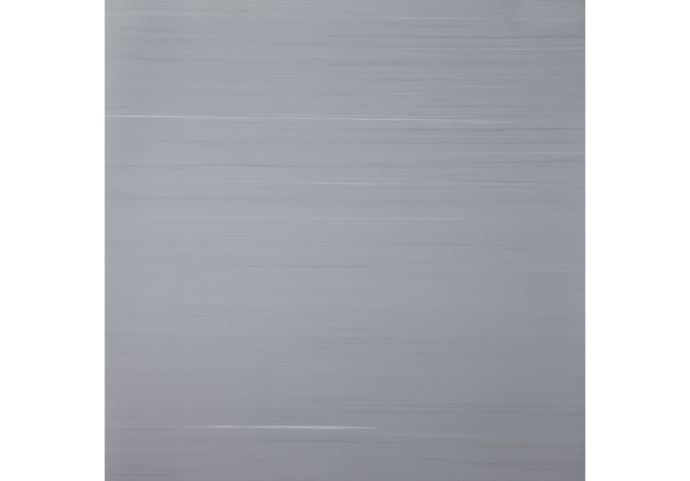
PVC Flooring
- Brand: Wonderfloor
- Category: Commercial & Housing
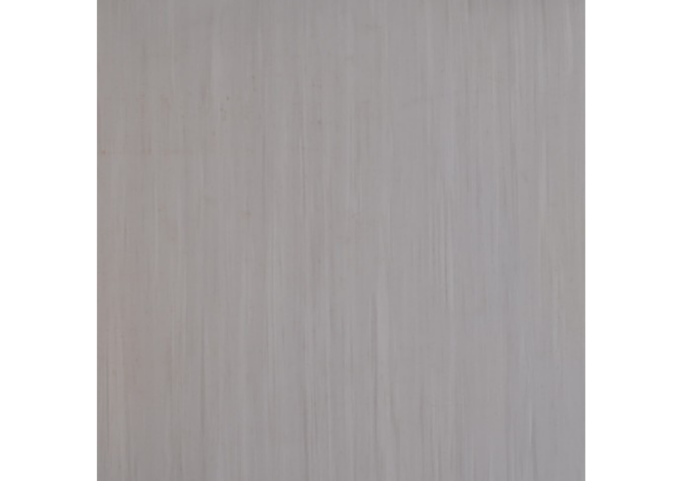
- Type: Homogeneous, Hard Wearing, Anti Fungicidal/Bacterial, Random Marble Pattern
- Thickness: 2.00 mm
- Sheet Dimension: 1.5 m x 20 Mtr
- Recommended Area Of Usage: Offices, Retail Stores, Shopping Malls, Educational Institutions, Airports, Restaurants, and Public Buildings.
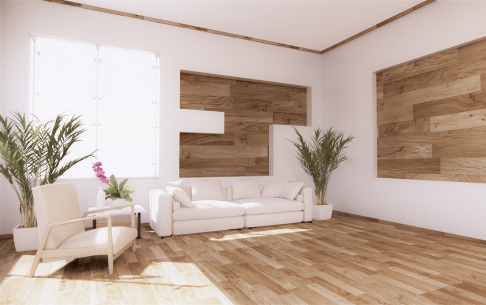
One PVC Flooring Range. Every Space.
Most flooring materials are designed for one type of space. PVC flooring isn't. A hospital ward, a school corridor, a family kitchen, a warehouse — the same material category handles all of them, just in different grades for what each environment demands.
Wonderfloor vinyl flooring covers the full range. It handles heavy foot traffic without breaking down, cleans without specialist products, and holds up through the daily use that cheaper floors show within a year or two.
Where PVC Flooring Works Best
Vinyl flooring suits a wider range of spaces than most buyers initially expect:
- Hospital Flooring Vinyl — anti-bacterial, seamless, and built for clinical cleaning regimes in healthcare environments
- School Flooring — durable enough for sustained student foot traffic, easy to maintain across classrooms and corridors
- Sports Flooring — shock-absorbent and slip-resistant, correctly specified for gymnasiums and indoor courts
- Heavy Duty Flooring — rated for forklift traffic, mechanical loads, and the demands of warehouse and factory environments
- Transport Flooring — built for the vibration, flexing, and contamination exposure of buses, trains, and vehicle interiors
- Porta Cabin Flooring — lightweight and practical for temporary structures and modular site buildings
- Wall Cladding — hygienic vinyl wall finishes that complement the flooring in healthcare and commercial environments
Hygienic, Durable, and Low-Maintenance
Wonderfloor PVC vinyl flooring is manufactured for environments where performance and hygiene are not optional:
- Anti-bacterial and anti-fungicidal surface properties run through the material — not just the top layer
- Scratch-resistant PUR coating resists daily scuffing, stains, and dirt accumulation
- Thermal welding installation produces a seamless surface with no join lines where bacteria accumulate
- Contemporary marble patterns and surface designs work across both residential and commercial interiors
Design Options and Flexibility
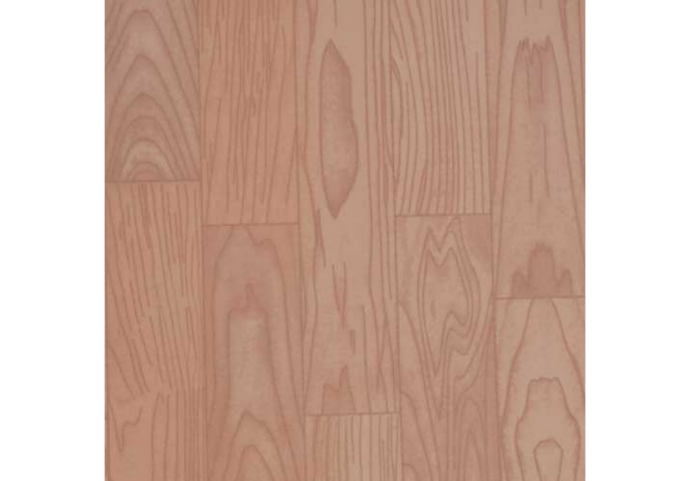
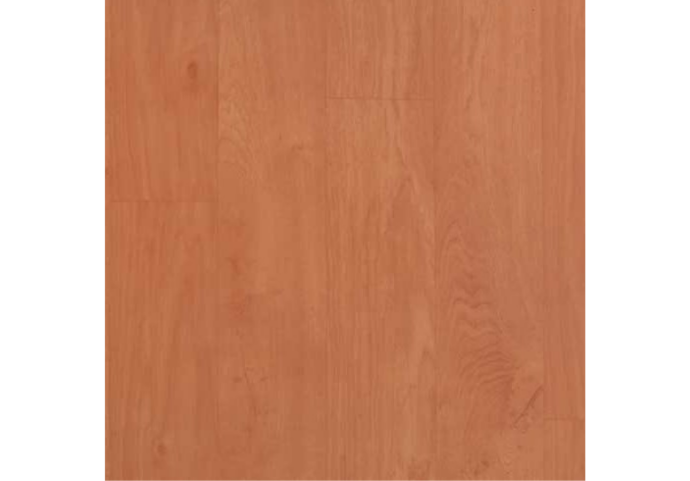
Wonderfloor PVC vinyl flooring is available in a range of colours, patterns, and finishes — from neutral commercial tones suited to healthcare and education environments to contemporary marble and stone effects for residential and hospitality spaces. The same product range covers functional specification and design-conscious interiors without requiring separate product categories for each.
Expert Guidance for Choosing Vinyl Flooring
The right vinyl flooring specification depends on the environment — traffic level, moisture exposure, cleaning regime, and subfloor conditions all affect which product and which grade is appropriate. Amari Trading's team advises on specification across the full range — from hospital flooring and school flooring to sports and heavy duty applications across South Africa.
What Are the Benefits of Vinyl Flooring in South Africa's Climate?
South Africa's climate creates specific flooring challenges that do not apply in milder markets — and vinyl handles most of them better than the alternatives.
Moisture and Humidity
KwaZulu-Natal's coastal humidity, Cape Town's wet winters, and the temperature swings of Gauteng's highveld all affect flooring differently. Timber swells and warps in humid conditions. Laminate delaminates when moisture gets under it. Vinyl does neither. The surface does not absorb water and the material maintains its dimensional stability through the humidity variation that South African coastal and inland environments create across seasons.
Temperature Variation
Gauteng experiences some of the most significant seasonal temperature variation in the country — from sub-zero winter mornings to 35-degree summer afternoons. Flooring materials that expand significantly with heat and contract in cold develop cracks, gaps, and surface problems over repeated cycles. Quality vinyl flooring, particularly SPC rigid core, handles this thermal cycling without the dimensional movement that causes these failures.
UV Exposure
South Africa's UV index regularly reaches 11 and above — classified as extreme. Direct sunlight through windows causes visible fading and surface degradation in flooring materials that are not UV-stabilised. Quality vinyl flooring with UV-stable wear layers resists this fading significantly better than carpet and most laminate products.
Which Type of Vinyl Flooring Is Best for My Space?
Vinyl flooring in South Africa comes in four main formats — and the right one depends on the space, the subfloor, and what the floor needs to do.
LVT — Luxury Vinyl Tile
- Best for residential spaces, hospitality environments, and retail where visual quality matters
- Individual tile or plank format — allows creative laying patterns and localised replacement
- Available in wood-look, stone-look, and abstract finishes
- Requires a flat, well-prepared subfloor for correct installation
SPC — Stone Plastic Composite
- Best for South African spaces with significant temperature variation — the rigid core resists expansion and contraction better than flexible vinyl
- Waterproof throughout — suitable for bathrooms, kitchens, and wet areas
- Click-lock installation — no adhesive required, faster to install and easier to replace
- Thicker and heavier than LVT — better acoustic performance underfoot
Glue-Down Vinyl
- Best for commercial and high-traffic applications where the floor must stay absolutely flat and stable under heavy use
- The adhesive bond prevents any movement between the floor and the subfloor — essential in spaces with heavy equipment or trolley traffic
- Requires professional installation and correct adhesive specification for the subfloor type
- Hospital flooring vinyl and heavy duty commercial grades typically use glue-down installation
Click Vinyl
- Best for residential DIY installation and retrofit applications where a floating floor is practical
- No adhesive — installs over most existing floors without major preparation
- Easier to remove and replace than glue-down
- Less suitable for high-humidity wet areas unless the product is specifically rated for those conditions
How Does Vinyl Flooring Compare to Tiles and Laminate in South Africa?
Vinyl vs Tiles
Factor | Vinyl Flooring | Ceramic / Porcelain Tiles |
Comfort underfoot | Warm, cushioned | Cold and hard |
Impact resistance | Absorbs impact without cracking | Cracks under heavy impact |
Water resistance | Waterproof surface | Waterproof tiles, but grout absorbs moisture |
Hygiene | Seamless options available | Grout lines harbour bacteria |
Installation cost | Lower | Higher — specialist tiler required |
Repair | Individual plank or section replacement | Difficult — matching replacement tiles hard to find |
South Africa climate suitability | Handles humidity and temperature variation well | Suitable but cold in winter |
Vinyl vs Laminate
| Factor | Vinyl Flooring | Laminate |
| Water resistance | Fully waterproof | Not waterproof — swells and delaminates when wet |
| Durability under moisture | Excellent | Poor — avoid in kitchens and bathrooms |
| Feel underfoot | Warmer and softer | Similar but less cushioning |
| Visual quality | Wide range — wood and stone looks available | Strong wood-look aesthetics |
| South Africa humidity | Handles coastal humidity well | Degrades in humid coastal environments |
| Service life | 10 to 25 years depending on grade | 5 to 15 years depending on moisture exposure |
The comparison is clear in most South African applications — vinyl handles the specific combination of humidity, temperature variation, and cleaning demands better than both alternatives. Tiles win on scratch resistance in extreme conditions. Laminate wins on upfront visual quality in dry environments. For everything in between — vinyl covers the most ground across the most spaces.
What Is the Full Form of PVC Flooring?
PVC stands for Polyvinyl Chloride — a synthetic plastic polymer that is one of the most widely used materials in construction and interior finishing worldwide. In flooring, PVC is valued for its durability, moisture resistance, and flexibility in design and application.
Not Sure Which Vinyl Flooring Is Right for You?
Tell us the space, the traffic level, and the budget — we'll tell you the right grade and format. Our team advises on PVC flooring specification across the full range, from hospital and school flooring to residential and commercial fit-outs across South Africa.
Contact Amari Trading directly for current PVC flooring pricing across the full range in Johannesburg, Cape Town, and Durban.


Have questions or need assistance? we're here to help!
Join us and make your company a better place.